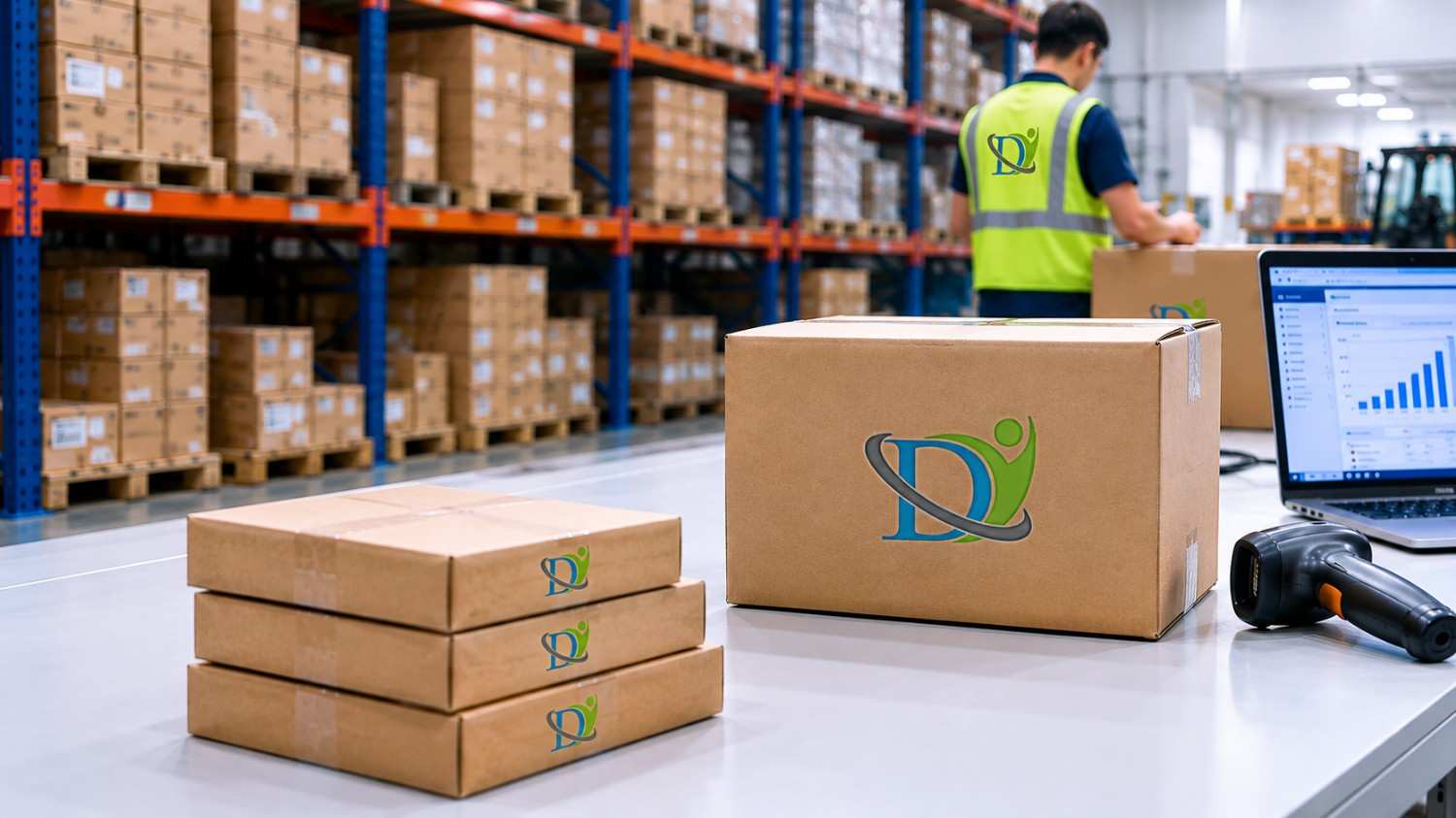
As businesses across the UAE scale up, many are re-evaluating whether an in-house warehouse still makes sense — or whether flexible storage in Dubai UAE through a professional e-fulfilment centre in Dubai is the smarter long-term move. Having products stored under one roof gives better visibility over inventory, quicker access to stock, and greater control over day-to-day operations. On paper, it can even appear to be the more economical choice.
The reality is often different.
Warehouse expenses extend far beyond monthly rent and employee salaries. Day-to-day inefficiencies, unused storage space, inventory mistakes, equipment maintenance, and rising operational costs can quietly reduce profits without attracting much attention. These costs usually build up gradually, making them difficult to notice until they start affecting customer service or business growth.
This challenge is becoming more relevant in the UAE, where businesses are handling higher order volumes, faster delivery expectations, and increasingly competitive markets. As operations expand, warehouse management becomes more complex, and the true cost of running everything in-house becomes much easier to overlook.
That is why many businesses are rethinking their approach to storage in Dubai UAE. Rather than investing continuously in additional space, equipment, and manpower, they are looking for flexible warehousing solutions that support growth while keeping operating costs under control.
Looking Beyond Rent: Understanding the Real Cost of Warehousing
When companies prepare a warehouse budget, the focus usually stays on visible expenses such as:
- Warehouse rent or lease payments
- Utility bills
- Warehouse equipment
- Staff salaries
- Insurance and security
These are important costs, but they represent only one part of the overall picture.
Many operational expenses don’t appear on a monthly invoice. Instead, they show up through slower order processing, inefficient workflows, unnecessary labour hours, inaccurate inventory records, and underused warehouse space. Individually, these issues may seem minor, but over time they can have a noticeable impact on profitability.
One extra minute spent locating a product, a few incorrect stock counts each week, or several delayed shipments every month may not seem significant on their own. Across hundreds or even thousands of orders, however, these small inefficiencies become expensive.
Understanding these hidden costs is often the first step towards building a more efficient supply chain.
Five Hidden Warehouse Costs That Often Go Unnoticed
Labour Costs Go Beyond Monthly Salaries
Labour is one of the largest ongoing expenses in warehouse operations, but salaries are only part of the investment.
Recruitment, onboarding, training, overtime, employee turnover, and workplace safety all add to the overall cost of managing an in-house facility. Seasonal demand can make staffing even more challenging. During busy periods such as Ramadan, White Friday, or year-end sales, businesses often need additional workers simply to keep up with order volumes.
Without efficient warehouse processes, labour requirements continue to increase as the business grows. Instead of improving productivity, companies often find themselves adding more people to solve operational bottlenecks.
Poor Warehouse Layouts Reduce Productivity Every Day
Not every warehouse uses its available space efficiently.
Products that should be easy to access are sometimes stored far from packing stations. Fast-moving inventory may be mixed with slow-moving stock, forcing warehouse teams to spend unnecessary time walking between locations.
Although these delays seem small, they occur repeatedly throughout the working day.
Over weeks and months, extra walking time, inefficient picking routes, and disorganised storage layouts reduce productivity, increase labour costs, and slow down order fulfilment.
Modern warehouse management systems (WMS), organised storage planning, and better inventory placement can significantly improve operational efficiency without increasing warehouse space.
Inventory Mistakes Are More Expensive Than They Appear
Inventory accuracy plays a major role in customer satisfaction.
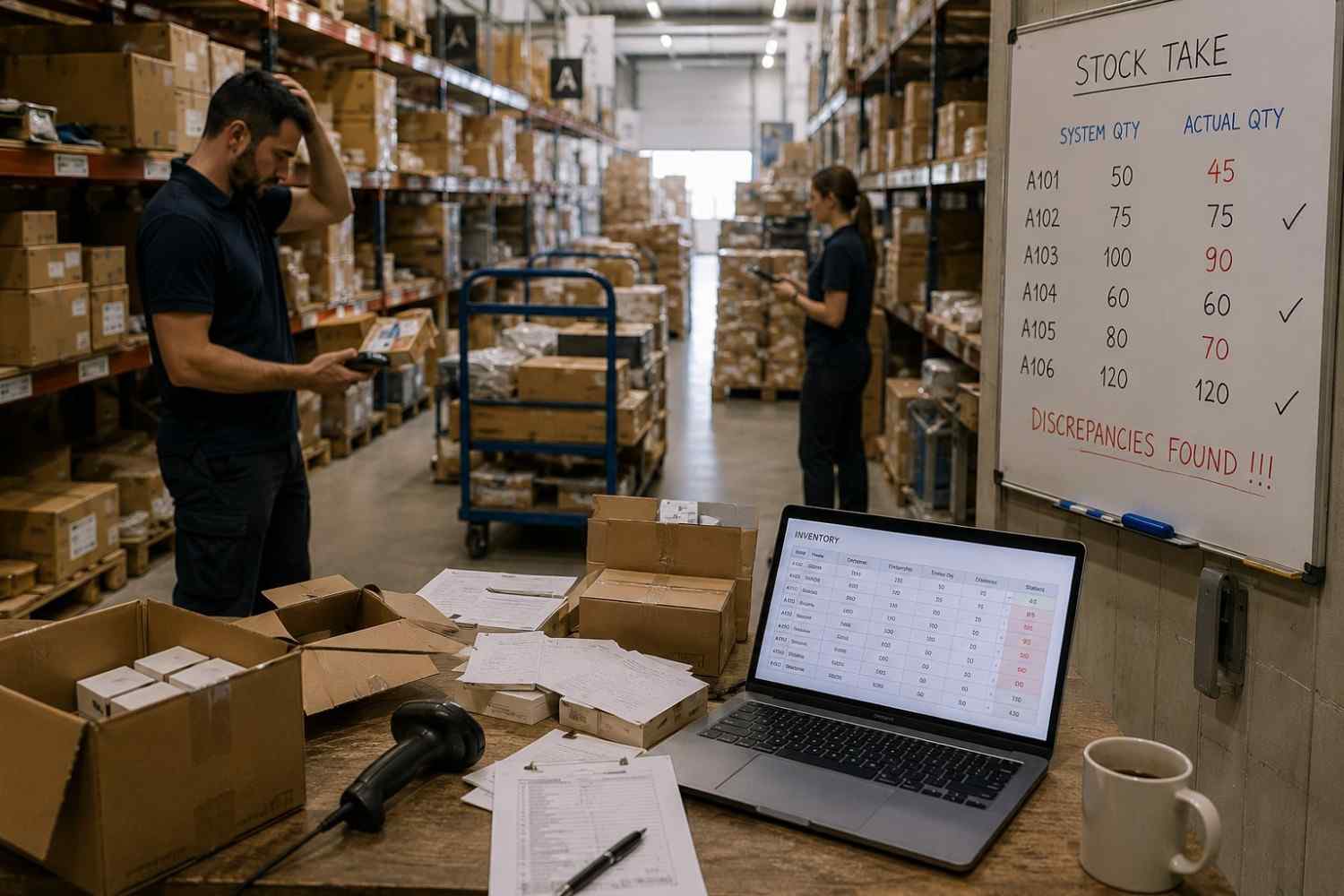
A single stock discrepancy can lead to cancelled orders, delayed deliveries, emergency replenishment, or excess inventory sitting on warehouse shelves.
For businesses selling through online marketplaces or eCommerce platforms, inaccurate stock levels may also affect seller ratings and customer confidence.
The financial impact is often greater than the value of the missing product. Additional labour, customer support, replacement shipments, and lost future sales all contribute to the real cost of inventory errors.
As order volumes increase, manual inventory tracking becomes increasingly difficult to maintain, making technology and efficient warehouse processes more important than ever.
Paying for Space You Don’t Fully Use
Warehouse capacity is usually planned around future growth rather than current demand. While this creates room for expansion, it also means businesses may spend months—or even years—paying for storage they rarely use.
Rent, utilities, maintenance, insurance, and security costs continue regardless of whether warehouse racks are full or half empty.
For businesses with seasonal sales patterns, this creates another challenge. During quieter months, valuable warehouse space often remains underutilised while operating costs stay exactly the same.
This is one reason flexible storage in Dubai UAE has become increasingly popular. Instead of carrying fixed overhead throughout the year, businesses can adjust storage capacity according to actual demand.
Technology Isn’t a One-Time Investment
Running an efficient warehouse today requires more than forklifts and shelving.
Inventory management software, barcode scanners, handheld devices, security systems, reporting tools, and warehouse management platforms all contribute to smoother operations. However, they also require continuous maintenance, software updates, equipment replacement, and staff training.
Businesses that delay these investments often experience slower order processing, inventory inaccuracies, and reduced operational visibility.
On the other hand, keeping technology up to date requires ongoing spending, making it another hidden cost that many companies underestimate when comparing warehouse expenses.
Why These Costs Become More Noticeable as Businesses Grow
During the early stages of a business, many of these challenges remain manageable. However, as inventory grows and customer expectations increase, warehouse operations become far more demanding.
More products mean more storage space. More orders require faster picking and packing. Expanding into new sales channels adds further complexity to inventory management and distribution.
At this stage, many businesses begin asking an important question:
Is managing an in-house warehouse still supporting growth, or is it quietly becoming one of the biggest operational expenses?
When Does It Make Sense to Outsource Storage in Dubai UAE?
There isn’t a fixed point where every business should move away from an in-house warehouse. For some, managing storage internally continues to work well. For others, growing order volumes and rising operating costs gradually make the model less efficient.
A few common signs usually indicate it’s time to reassess your warehousing strategy:
- Warehouse space is becoming limited.
- Order fulfilment is taking longer than expected.
- Inventory discrepancies are becoming more frequent.
- Labour and operating costs continue to rise.
- Seasonal demand is difficult to manage.
- Expansion into new markets is creating additional logistical challenges.
When these issues become part of daily operations, simply renting more space or hiring additional staff may not solve the underlying problem. Often, businesses benefit more from a warehousing model that offers flexibility without increasing long-term overhead.
This is one reason many companies are turning to professional storage in Dubai UAE solutions. Instead of investing heavily in warehouse expansion, they gain access to scalable facilities that can adapt as business needs change.
Why More Businesses Are Choosing an E-Fulfilment Centre in Dubai
Warehousing today is about much more than storing products on shelves.
Customers expect accurate inventory, quick dispatch, reliable deliveries, and complete visibility of their orders. Meeting those expectations requires efficient systems, experienced warehouse teams, and technology that many businesses find expensive to build and maintain on their own.
Partnering with an experienced logistics provider offers several practical advantages.
Better Cost Control
Managing an in-house warehouse usually involves fixed costs that remain the same regardless of business activity. Rent, maintenance, insurance, utilities, and equipment still need to be paid during quieter months.
Professional warehousing offers greater flexibility by allowing businesses to adjust storage requirements according to demand, helping control unnecessary operational expenses.
Improved Inventory Accuracy
Accurate inventory is essential for smooth order fulfilment.
Modern warehouse management systems provide real-time stock visibility, making it easier to monitor inventory levels, reduce stock discrepancies, and improve replenishment planning.
Better inventory accuracy also helps minimise cancelled orders, unnecessary returns, and customer complaints.
Faster Order Fulfilment
Customers rarely think about warehouse operations. What they notice is whether their orders arrive on time.
Efficient warehouse layouts, organised picking processes, barcode scanning, and streamlined packing procedures all contribute to shorter processing times and improved delivery performance.
For businesses handling growing order volumes, these efficiencies can make a noticeable difference to customer satisfaction.
Built to Grow With Your Business
Business growth rarely follows a straight line.
Seasonal demand, new product launches, promotional campaigns, and expansion into additional markets all create changing storage requirements.
Working with a professional e-fulfilment centre in Dubai provides the flexibility to scale warehouse operations without the need for significant investment in additional facilities, equipment, or permanent staff.
That flexibility becomes particularly valuable for businesses planning long-term growth across the UAE and the wider GCC region.
Choosing the Right Warehouse Partner
Selecting a warehousing partner should involve more than comparing storage rates.
A reliable logistics provider should support your operations in ways that improve efficiency and simplify day-to-day supply chain management.
Before making a decision, consider whether the provider offers:
- Flexible storage capacity
- Reliable inventory management
- Secure warehouse facilities
- Modern warehouse management technology
- Accurate pick-and-pack services
- Easy access to major transport routes across the UAE
- Clear communication and shipment visibility
The right warehousing partner should help reduce operational complexity, not add to it.
Final Thoughts
Running an in-house warehouse offers control, but control doesn’t always translate into lower costs.
Many of the biggest warehouse expenses aren’t immediately visible. Labour inefficiencies, unused storage capacity, inventory errors, equipment maintenance, and outdated systems can quietly reduce profitability over time.
As businesses expand, these hidden costs become increasingly difficult to ignore.
For companies looking to improve efficiency without taking on additional fixed overhead, professional storage in Dubai, UAE offers a practical alternative. With flexible warehousing, modern inventory management, and scalable logistics support, businesses can focus on growth while leaving warehouse operations in capable hands.
Choosing an experienced e-fulfilment centre in Dubai is no longer simply about finding extra storage space. It’s about building a supply chain that is reliable, adaptable, and ready to support future growth.
Frequently Asked Questions (FAQ)
Beyond rent and utilities, businesses often face additional expenses such as labour, staff training, inventory inaccuracies, equipment maintenance, software subscriptions, insurance, and unused warehouse space.
Professional warehousing helps businesses reduce fixed overheads by offering flexible storage, efficient inventory management, and streamlined warehouse operations, allowing companies to pay for the space and services they actually need.
If storage capacity is becoming limited, order volumes are increasing, inventory management is becoming more difficult, or operating costs continue to rise, outsourcing may provide a more efficient and scalable solution.
A professional fulfilment centre generally offers secure storage, inventory management, pick-and-pack services, order processing, shipping coordination, returns handling, and real-time inventory tracking.
Yes. Flexible warehousing allows businesses to expand without making large investments in warehouse facilities, technology, or additional staff, making it an effective option for companies experiencing steady growth.
Ready to Reduce Your Warehouse Costs?
Managing an in-house warehouse shouldn’t limit your business growth. Whether you need scalable storage in Dubai UAE or a full-service e-fulfilment centre in Dubai, DashGo provides secure warehousing, modern inventory management, and scalable fulfilment services designed to support businesses of all sizes
From short-term storage to long-term warehousing and order fulfilment, our solutions help streamline your supply chain while giving you the flexibility to grow with confidence.
Get a free quote today or contact our team via WhatsApp for immediate assistance.
Most quotations are provided within 60 minutes during business hours.