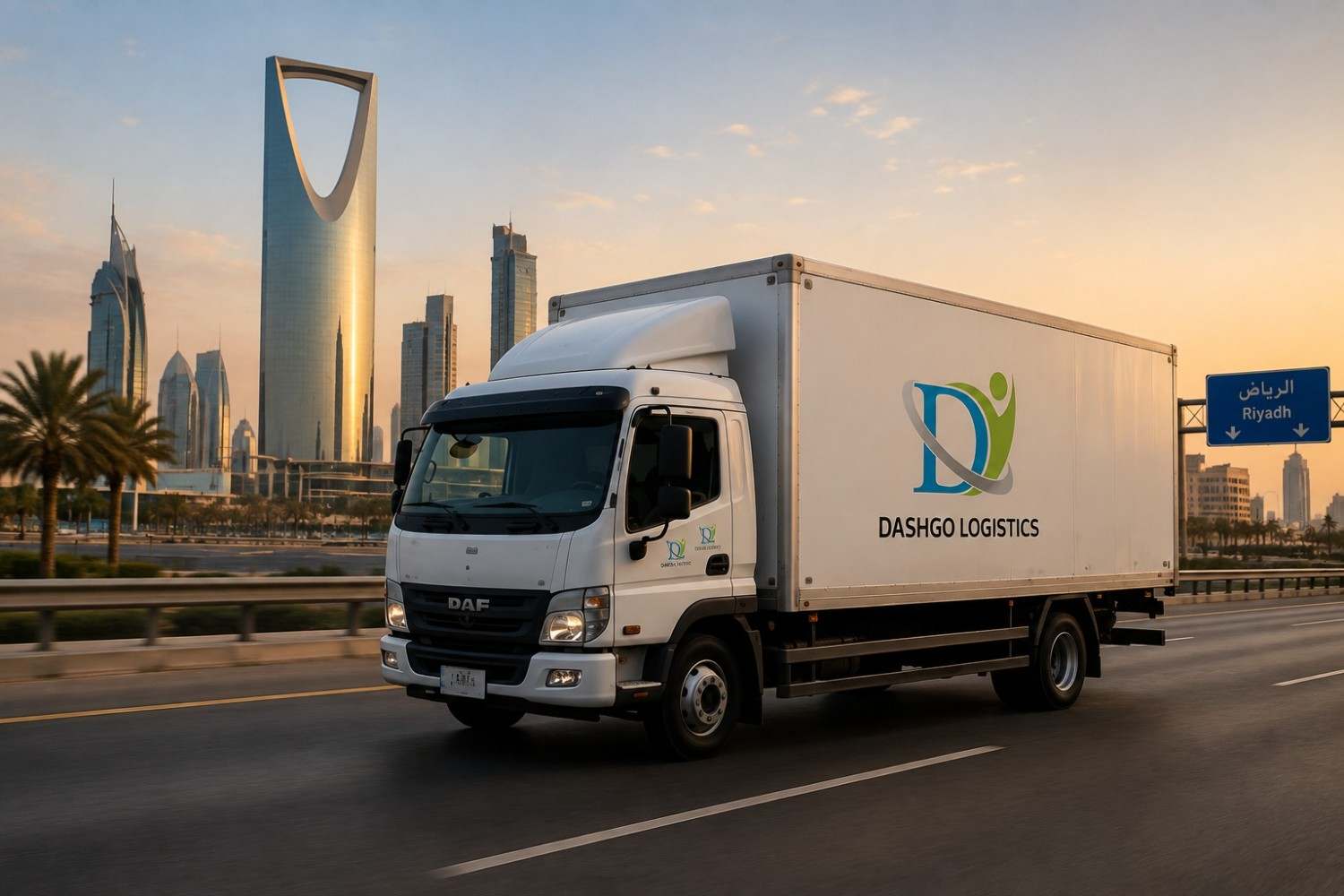
Trade between the UAE and Saudi Arabia has grown steadily over the years, creating stronger business connections across the GCC. As more companies expand into the Saudi market, Dubai to Riyadh road transport has become one of the most important parts of day-to-day supply chain operations. Choosing the right logistics solution isn’t just about transportation—it directly influences inventory planning, customer satisfaction, and overall supply chain efficiency.
For many businesses, Dubai to Riyadh road transport remains one of the most reliable ways to move cargo between the two countries. It offers a practical balance of speed, flexibility, and affordability, making it suitable for everything from retail products and automotive parts to industrial equipment and eCommerce inventory. Compared with air freight, road transport is often more economical for larger shipments, while providing faster transit than many sea freight options for regional trade.
Of course, successful cross-border shipping involves much more than putting goods on a truck. Customs documentation, route planning, cargo handling, and choosing the right transport option all influence how smoothly a shipment reaches its destination. Even small mistakes in paperwork or planning can lead to delays that affect both delivery schedules and customer expectations.
Understanding how Dubai to Riyadh trucking works allows businesses to plan shipments more effectively, reduce unnecessary risks, and build a stronger logistics strategy for long-term growth.
Why Road Transportation Continues to Be the Preferred Choice
The road corridor connecting Dubai and Riyadh is one of the busiest commercial trade routes in the GCC. Every day, thousands of shipments move between the UAE and Saudi Arabia, supporting industries such as retail, manufacturing, healthcare, construction, automotive, and eCommerce.
One of the biggest advantages of road freight is its flexibility. Unlike other transport modes that often require multiple transfer points, trucks can collect cargo directly from warehouses or manufacturing facilities and deliver it to distribution centres, retail outlets, or customer locations with minimal handling along the way. Fewer handling stages not only reduce the risk of damage but also improve delivery efficiency.
For businesses managing regular shipments, this creates a more predictable and streamlined logistics process.
Road transportation is commonly used for:
- Retail and wholesale products
- FMCG goods
- Industrial machinery and equipment
- Automotive spare parts
- Construction materials
- Electronics and consumer goods
- eCommerce inventory
When supported by experienced freight forwarding, organised transportation services, and reliable road freight GCC networks, businesses gain a dependable shipping solution that supports both day-to-day operations and long-term expansion across the region.
Choosing Between FTL and LTL Shipping
Full Truckload (FTL) and Less Than Truckload (LTL)
Not every shipment requires a dedicated truck, which is why selecting the right transport option is an important part of cost-effective logistics planning.
The decision usually depends on shipment size, delivery urgency, and overall transportation costs.
Full Truckload (FTL)
Full Truckload, commonly known as FTL, is designed for businesses transporting larger cargo volumes.
With this option, the entire truck is allocated to one customer, allowing cargo to travel directly from Dubai to Riyadh without being combined with other shipments. Because there are fewer loading and unloading points, deliveries are generally faster, and the risk of cargo handling issues is reduced.
FTL is particularly suitable for:
- Large commercial consignments
- Manufacturing equipment
- Automotive components
- FMCG shipments
- Retail inventory replenishment
- Time-sensitive cargo
Another advantage is that customs documentation relates to a single shipment, which often simplifies border clearance and helps reduce potential delays.
Less Than Truckload (LTL)
For businesses shipping smaller quantities, Less Than Truckload (LTL) offers a more economical alternative.
Instead of paying for an entire vehicle, several shipments from different businesses share the same truck. Each customer only pays for the space their cargo occupies, making LTL an excellent choice for SMEs and businesses with lower shipping volumes.
Although consolidation may add a little extra transit time, it provides significant cost savings without compromising shipment reliability.
LTL is commonly used for:
- Spare parts
- Small retail consignments
- Commercial goods
- Non-perishable products
- Regular low-volume shipments
An experienced logistics provider can help determine whether FTL or LTL is the better option by considering shipment size, delivery deadlines, and overall supply chain requirements rather than simply choosing the least expensive solution.
How Long Does Dubai to Riyadh Road Transport Take?
Transit time is one of the main reasons businesses choose Dubai to Riyadh road transport for regional trade.
Under normal operating conditions, deliveries generally take between two and five days. However, the actual transit time depends on several factors, including customs clearance, cargo type, documentation accuracy, border traffic, and seasonal shipping volumes.
Most shipments follow this established route:
Dubai → Ghuwaifat Border (UAE Exit) → Al Batha Border (Saudi Entry) → Riyadh
Although the driving distance can be covered efficiently, border procedures usually have the biggest influence on the overall delivery schedule.
For example, two shipments travelling on the same route may arrive at different times simply because one has complete documentation while the other requires additional customs verification. Proper planning before dispatch often has a greater impact on delivery performance than the journey itself.
Businesses working with experienced providers offering Dubai to Riyadh trucking, freight forwarding, and integrated transportation services generally experience fewer disruptions because customs documentation, shipment tracking, and border coordination are managed throughout the journey.
Customs Preparation Is Just as Important as Transportation
Many businesses assume that the biggest challenge is transporting goods across nearly 1,000 kilometres of highway.
In reality, customs clearance is often where the success of a shipment is determined.
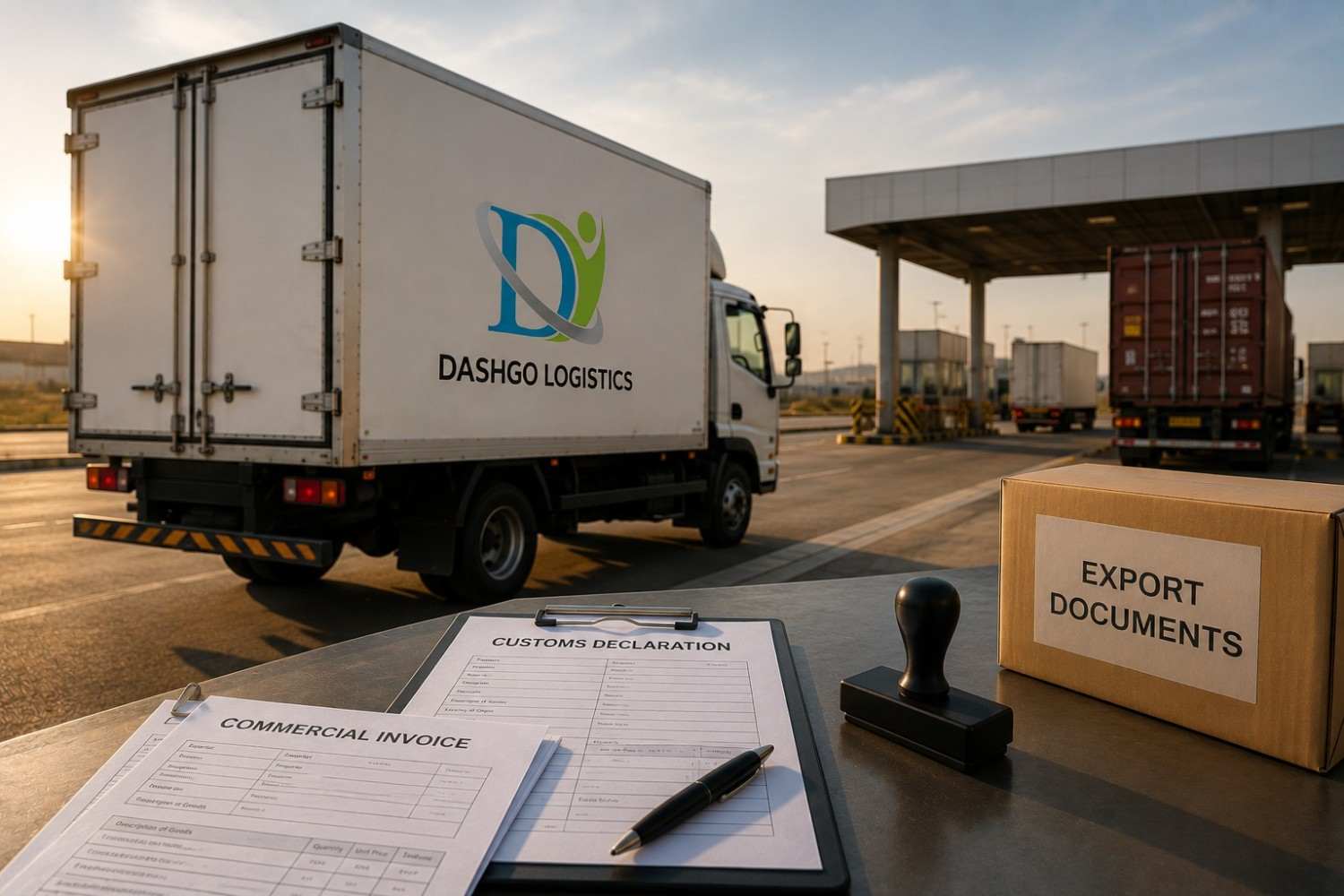
Every shipment entering Saudi Arabia must comply with import regulations and be supported by accurate documentation. Missing paperwork, incorrect product descriptions, or incomplete declarations can all result in unnecessary inspections or border delays.
Preparing documents before cargo leaves Dubai helps create a smoother customs process while reducing the likelihood of unexpected disruptions during transit.
A typical shipment may require:
- Commercial Invoice
- Packing List
- Certificate of Origin
- Transport documents
- Customs declarations
- Product compliance certificates, where applicable
Certain products may also require additional regulatory approvals depending on Saudi import requirements.
Working with a logistics provider experienced in cross-border logistics, freight forwarding, and GCC transportation gives businesses valuable support throughout this process. Rather than dealing with customs requirements independently, businesses can rely on experienced professionals to coordinate documentation, monitor compliance, and minimise avoidable delays.
The result is a more reliable shipping process that keeps goods moving efficiently while supporting stronger supply chain performance.
Common Challenges in Dubai to Riyadh Road Transportation
Road freight between the UAE and Saudi Arabia is a reliable transport solution, but cross-border logistics still comes with challenges that businesses should be prepared for.
Many delays don’t happen on the road—they occur because of avoidable operational issues.
Some of the most common challenges include:
- Missing or inaccurate shipping documents
- Customs inspections at the border
- Incorrect product classifications
- Increased congestion during seasonal trade periods
- Choosing an unsuitable transport option for the shipment
- Limited shipment visibility during transit
For example, two businesses may dispatch similar shipments on the same day. If one shipment has complete documentation and accurate customs declarations while the other requires corrections, the difference in delivery time can be significant.
This is why preparation is just as important as transportation itself.
Working with a logistics provider experienced in Dubai to Riyadh trucking, road freight GCC, and cross-border logistics helps businesses minimise these risks through better planning, proactive customs coordination, and real-time shipment monitoring.
Choosing the Right Logistics Partner
Selecting a logistics provider involves much more than comparing freight rates.
The right partner should understand regional regulations, customs procedures, and the operational challenges involved in moving goods between the UAE and Saudi Arabia.
When evaluating a provider for Dubai to Riyadh road transport, consider whether they offer:
- Reliable road freight GCC services
- Experience managing cross-border customs clearance
- Full Truckload (FTL) and Less Than Truckload (LTL) options
- Real-time shipment tracking
- Professional freight forwarding
- Integrated transportation services
- Warehousing and distribution support
- Responsive customer service
An experienced logistics partner should become an extension of your supply chain rather than simply transporting goods from one location to another.
With the right support, businesses can improve delivery reliability, gain better shipment visibility, and respond more quickly to changing customer and market demands.
Building a Stronger Supply Chain for Long-Term Growth
As trade between the UAE and Saudi Arabia continues to expand, businesses are looking beyond individual shipments and focusing on long-term logistics efficiency.
Rather than managing transportation, warehousing, customs clearance, and distribution separately, many organisations now prefer integrated supply chain solutions that bring these services together under one logistics provider.
This connected approach offers several advantages.
Inventory can be planned more effectively, transportation becomes easier to coordinate, and businesses have greater flexibility to respond to seasonal demand or market growth. It also simplifies communication, as companies work with one experienced logistics partner instead of coordinating multiple service providers.
Whether shipping regular commercial cargo or occasional consignments, investing in organised cross-border logistics creates a more resilient supply chain that supports sustainable business growth.
Conclusion
Trade between the UAE and Saudi Arabia depends on reliable transportation, efficient customs processes, and well-planned logistics operations.
For many businesses, Dubai to Riyadh road transport continues to offer the ideal combination of flexibility, cost efficiency, and dependable transit times. However, successful shipments rely on much more than the vehicle carrying the cargo. Accurate documentation, customs compliance, shipment planning, and experienced logistics support all contribute to a smooth cross-border operation.
Partnering with an experienced provider offering Dubai to Riyadh trucking, professional freight forwarding, integrated transportation services, and dependable road freight GCC solutions helps businesses reduce delays, improve supply chain efficiency, and move goods confidently across international borders.
As regional trade continues to grow, businesses that invest in organised logistics and scalable supply chain solutions will be better positioned to support long-term expansion throughout the GCC.
Frequently Asked Questions (FAQ)
- The journey from Dubai to Ghuwaifat Border typically takes 8 hours to 12 hours.
- The Border clearance process usually takes 6 to 8 hours.
- The final stage from Al Batha to Riyadh typically takes 10 hours to 14 hours.
Under normal operating conditions, shipments generally take 2 to 5 days, depending on customs clearance, documentation accuracy, cargo type, border traffic, and seasonal demand.
Full Truckload (FTL) provides a dedicated vehicle for one shipment, making it suitable for large or time-sensitive cargo. Less Than Truckload (LTL) combines shipments from multiple businesses into one truck, offering a cost-effective solution for smaller consignments.
Most shipments require a commercial invoice, packing list, certificate of origin, transport documents, and customs declarations. Certain products may also need additional compliance certificates or regulatory approvals before entering Saudi Arabia.
Customs clearance ensures shipments comply with both UAE export and Saudi import regulations. Preparing documentation correctly before dispatch helps reduce border delays and allows cargo to move more efficiently through the clearance process.
Retailers, wholesalers, manufacturers, eCommerce businesses, FMCG suppliers, automotive companies, healthcare providers, and industrial suppliers all benefit from Dubai to Riyadh trucking because it offers reliable door-to-door transportation, competitive costs, and flexible shipping options.
Ready to Simplify Your Dubai to Riyadh Road Transportation?
Whether you’re transporting retail products, industrial equipment, automotive components, or eCommerce inventory, DashGo Logistics provides dependable Dubai to Riyadh road transport solutions designed to simplify cross-border shipping. From professional freight forwarding and customs clearance to integrated transportation services, road freight GCC, warehousing, and end-to-end logistics support, our experienced team helps businesses move goods safely and efficiently between the UAE and Saudi Arabia.
Businesses looking for reliable Dubai to Riyadh trucking, scalable cross-border logistics, or complete supply chain solutions can rely on DashGo Logistics for flexible transportation services that support long-term growth across the GCC.
Get a free quote today or contact our team via WhatsApp for immediate assistance.
Most quotations are provided within 60 minutes during business hours.